How to Start a Vegetable Garden for Beginners 2026
For many Americans, having their own vegetable garden is more than just a hobby—it’s a way of life. There’s an immense sense of fulfillment in stepping into your own backyard and picking dinner straight from the vine.
Whether you want to grow a few tomato plants in a spacious backyard, on a small downtown balcony, or in pots on your porch, this step-by-step vegetable garden guide provides a blueprint to help you easily grow your own food this year.
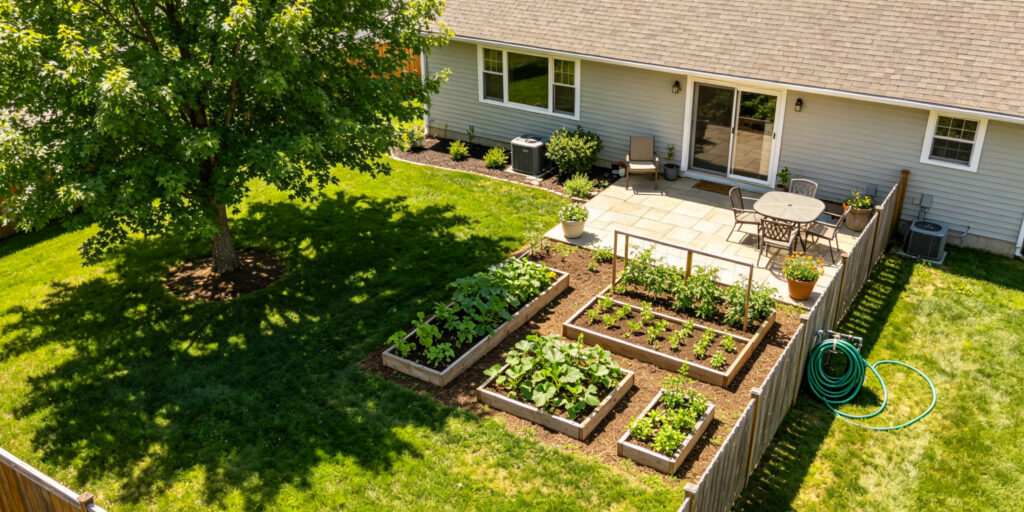
Step 1: Find the Best Vegetable Garden Spot—Sunlight and Convenience
A successful vegetable garden starts with the right location. Most vegetables love the sun and need at least 6–8 hours of direct sunlight each day. Take a close look at your yard and avoid areas shaded by large trees or buildings.
Additionally, setting up your garden near a water source will save you a lot of effort when it comes to watering and make it easier to stick with your gardening routine. If possible, place your garden near your kitchen door—this not only makes tending it more convenient but also lets you easily pick a handful of herbs while cooking.
Step 2: Plan Your Vegetable Garden Type—Choose the Style That Suits You
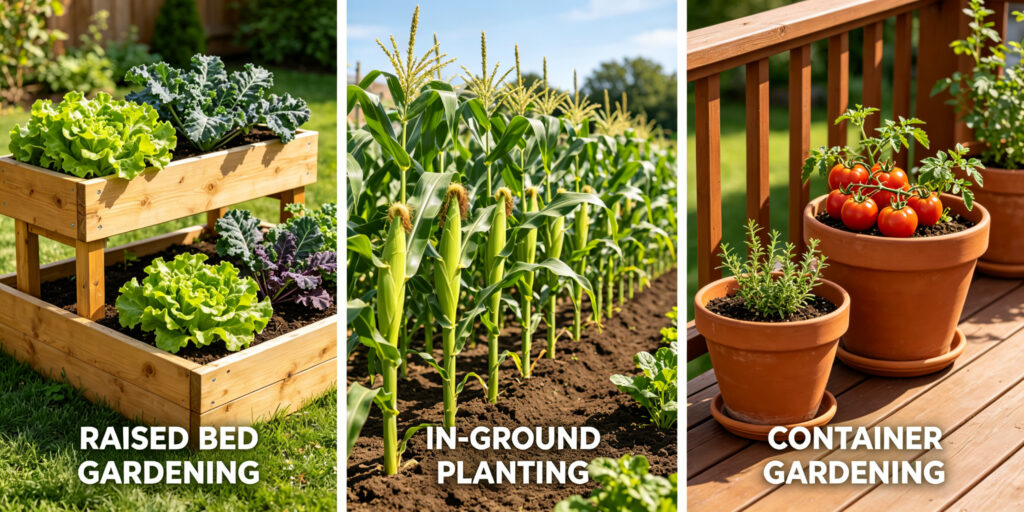
Gardening in the U.S. is incredibly diverse, and you can choose the approach that best fits your space and budget:
- Raised Beds: This is one of the most popular methods in American backyards. It allows for better control over soil quality, provides excellent drainage, and eliminates the need to bend over while working. Building a 4-by-8-foot bed out of untreated cedar or pine is the classic starting point for beginners.
- In-Ground Plots: The most traditional method, suitable for yards with good soil conditions. You’ll need to use a shovel to remove the lawn sod, turn the soil, and mix in plenty of compost.
- Container Gardening: The perfect solution for city dwellers. All you need is a pot with a capacity of at least 5 gallons (larger pots are recommended for deep-rooted crops like tomatoes), high-quality potting soil, and you can grow peppers, lettuce, or herbs right on your balcony or porch.
- “No-Till” Gardening (No-Till / Lasagna Gardening): An eco-friendly and labor-saving method. Lay down layers of organic matter—such as compost and hay—on top of cardboard or newspaper, allowing them to decompose naturally without turning the soil.
Step 3: What is The Easiest Vegetable to Grow for a Beginner?
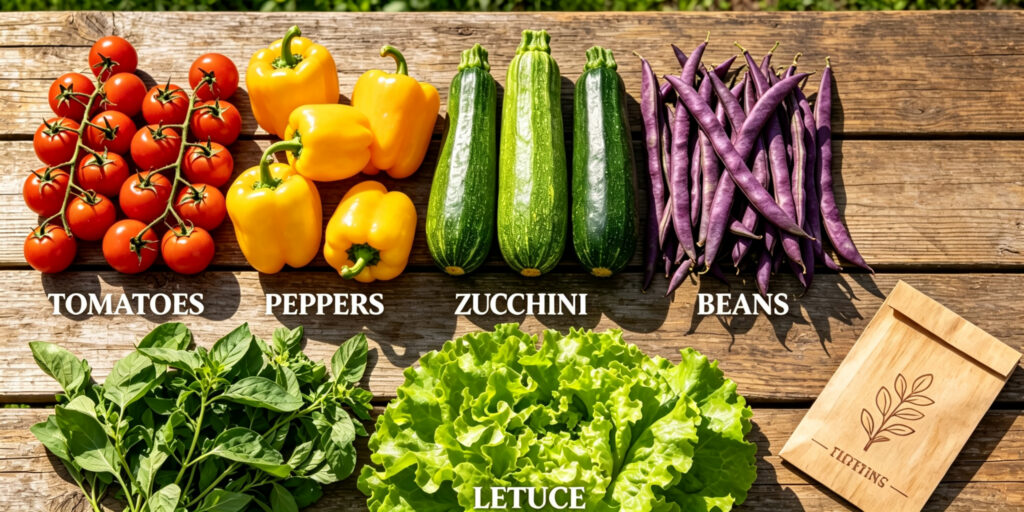
As a beginner, success is key to building confidence. Start with these varieties that are easy to grow in most parts of the U.S.:
- Tomatoes: The undisputed star of American vegetable gardens. Choose disease-resistant varieties like “Celebrity” or the cherry tomato “Sweet 100.”
- Zucchini / Summer Squash: Extremely high-yielding, but watch out for powdery mildew and vine borers; choosing disease-resistant varieties can save you a lot of trouble.
- Peppers: Whether sweet bell peppers or fiery Habanero peppers, they adapt well to the summer heat.
- Leafy Greens: Lettuce, kale, and other leafy greens grow quickly, can be harvested multiple times, and are ideal for early spring or fall planting.
- Green Beans: Typically sown directly from seed, they grow at an astonishing rate.
Step 4: Start Planting Based on “U.S. Standard Time”
In the U.S., we follow an age-old gardening rule: don’t plant cold-sensitive vegetables until after the average last frost date for your area. You can look up the exact date for your region on a website by entering your ZIP code.
- Cool-Season Crops: Such as peas, spinach, and lettuce, can be sown directly 4–6 weeks before the last frost.
- Warm-Season Crops: Warm-season vegetables, such as tomatoes and peppers, should be planted after the last frost date. Many American gardeners start seedlings indoors in seed trays 6–8 weeks before the last expected frost.
Step 5: Prepare the Soil—Laying the Foundation for Success
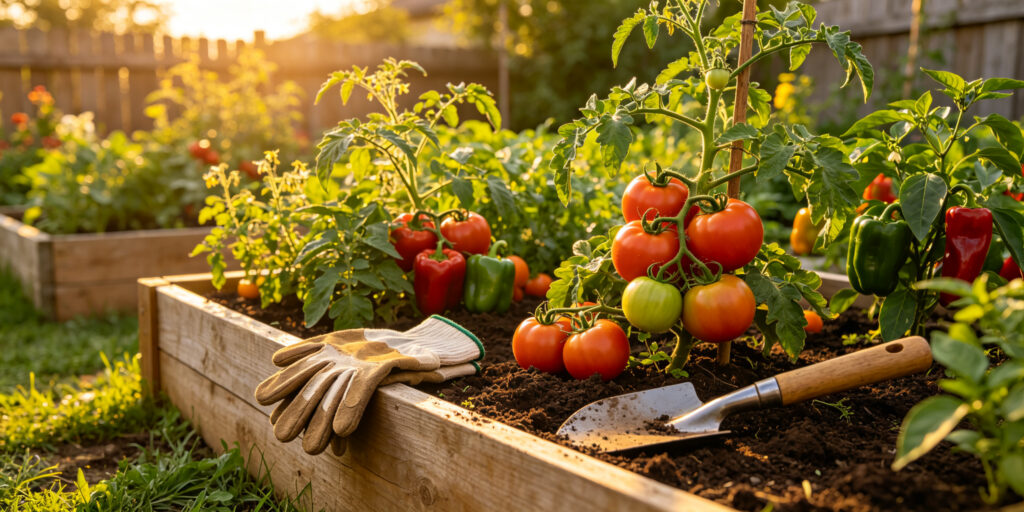
As Americans often say, “Growing vegetables is really about growing soil.” Healthy soil is the key to success.
- Test the Soil: You can purchase a home soil test kit or have a professional test your soil by mailing in a sample. This will tell you the soil’s pH level and nutrient status.
- Amend the Soil: If your soil is heavy and clay-like [check your local soil type, such as clay or sandy soil], the biggest problem may be poor drainage. In either case, mixing in plenty of organic matter is the best solution. Before planting, mix in a 2–3-inch layer of aged compost or well-rotted cow manure.
- Mulching: Spread a 2–3-inch layer of straw, shredded leaves, or grass clippings around the plants. This suppresses weeds, retains moisture, and nourishes the soil as it decomposes. This is an essential part of American gardening.
Step 6: Watering and Maintenance—Keep It Simple
- Watering: The rule is “water deeply but infrequently.” Water thoroughly 1–2 times a week rather than lightly wetting the surface every day. This encourages deep root growth and makes plants more drought-tolerant. When watering, aim for the soil and avoid wetting the leaves to prevent disease.
- Fertilizing: If the soil was properly amended before planting, many vegetables won’t need additional fertilizer during the early to mid-growing stages. For “heavy feeders” like tomatoes, you can apply a balanced organic fertilizer according to the product instructions during the early fruiting stage.
Solving Common Problems in American Gardens
- Weeds: Don’t let them get big. Pulling small weeds weekly with a hoe or by hand is much easier than tackling large patches all at once.
- Pests: Ladybugs are beneficial insects, but if pests like aphids appear, first try washing them off with a strong stream of water or use insecticidal soap. Remember, a healthy, diverse garden is the best defense against pests and diseases.
- Animals: Deer and rabbits are common visitors to gardens. In addition to fencing, interplanting herbs they dislike—such as mint and rosemary—is also an effective deterrent.
When to Harvest?
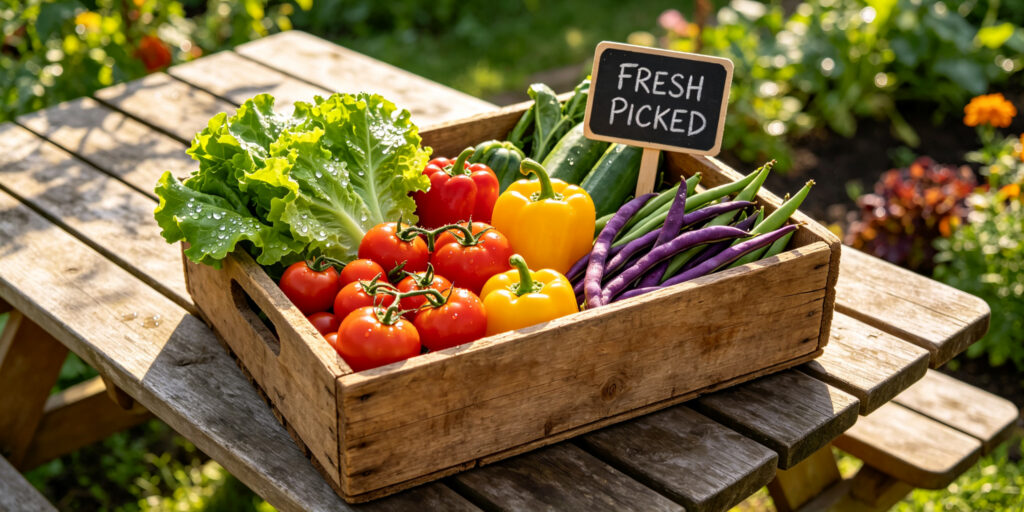
This is the most exciting part. Tomatoes can be picked with a gentle twist once they’ve fully ripened; peppers can be harvested while still green, or you can wait until they change color and become sweet; for leafy greens, using the “cut the outer leaves while leaving the inner ones” method when they’re still tender will ensure a steady supply throughout the season. Remember, vegetables harvested in the morning have the best flavor and moisture content.
Now, find a sunny spot and plan your very own vegetable garden. A successful garden isn’t built in a single go—it takes shape gradually over season after season as you work up a sweat in the sun, constantly learning and making adjustments. Good luck, and enjoy the joy of gardening!